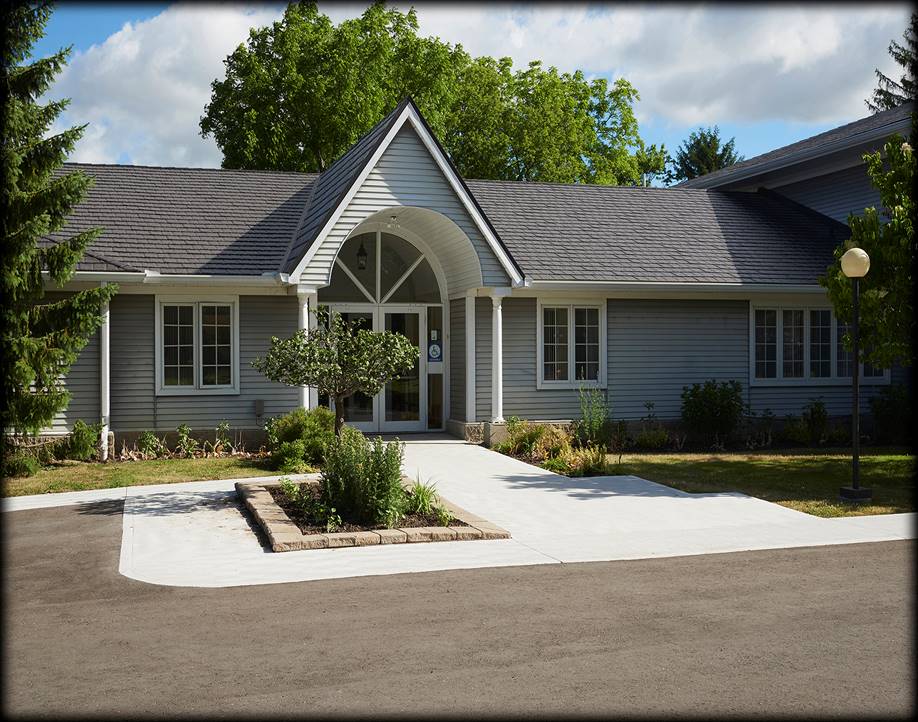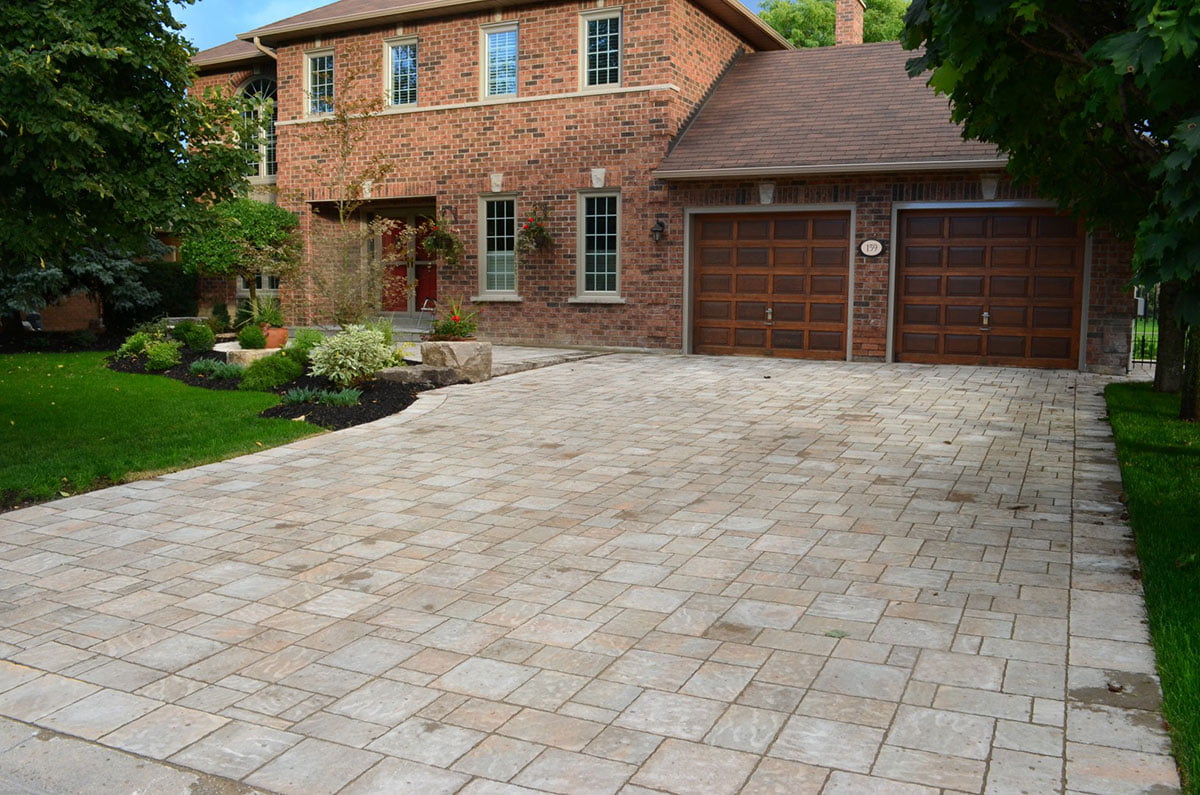
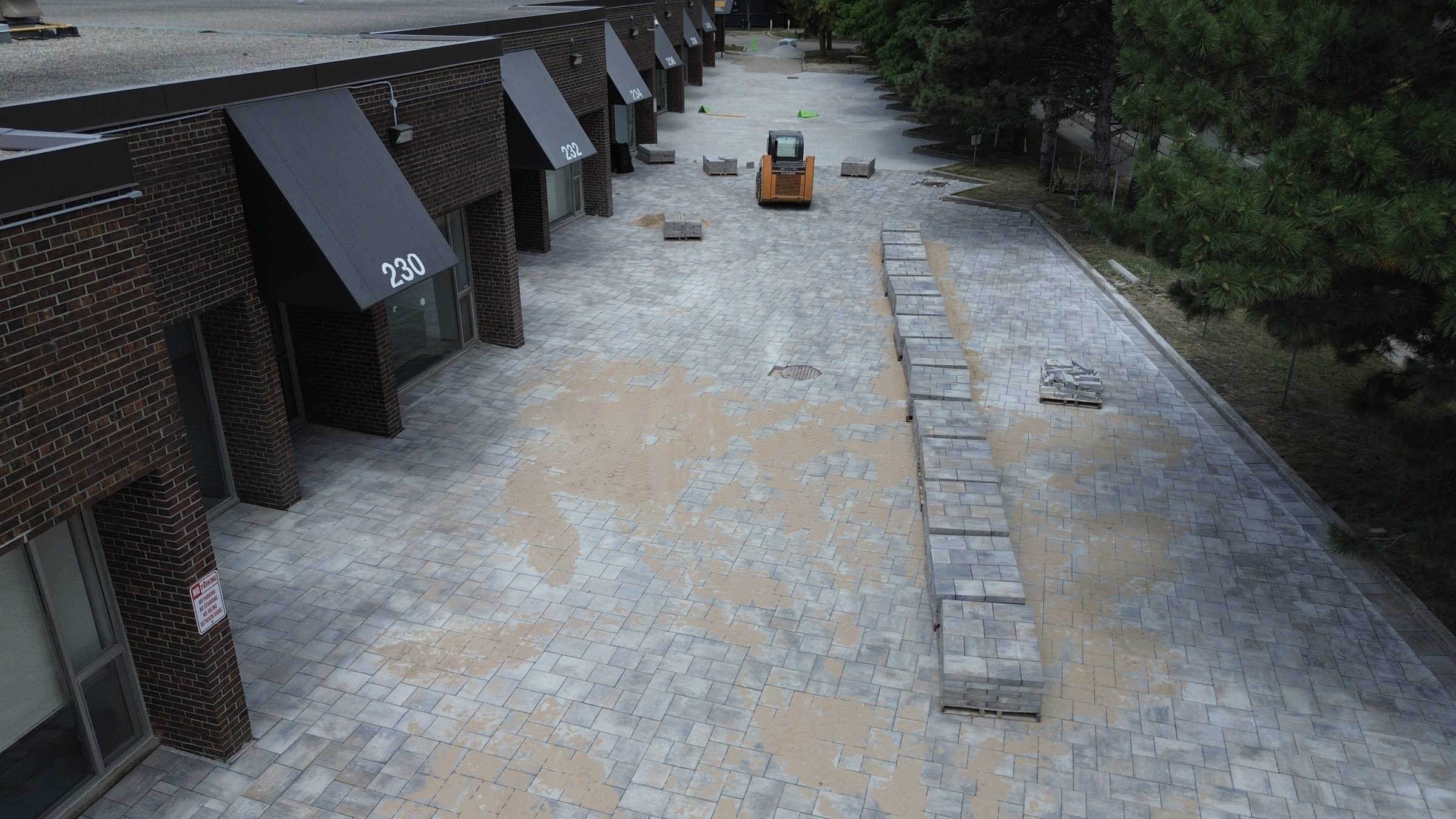
Interlocking pavers give storefronts, walkways and patios a finished look that asphalt cannot, and individual stones can be lifted and reset if the ground moves. The result depends almost entirely on what is underneath.
Base first, stone second
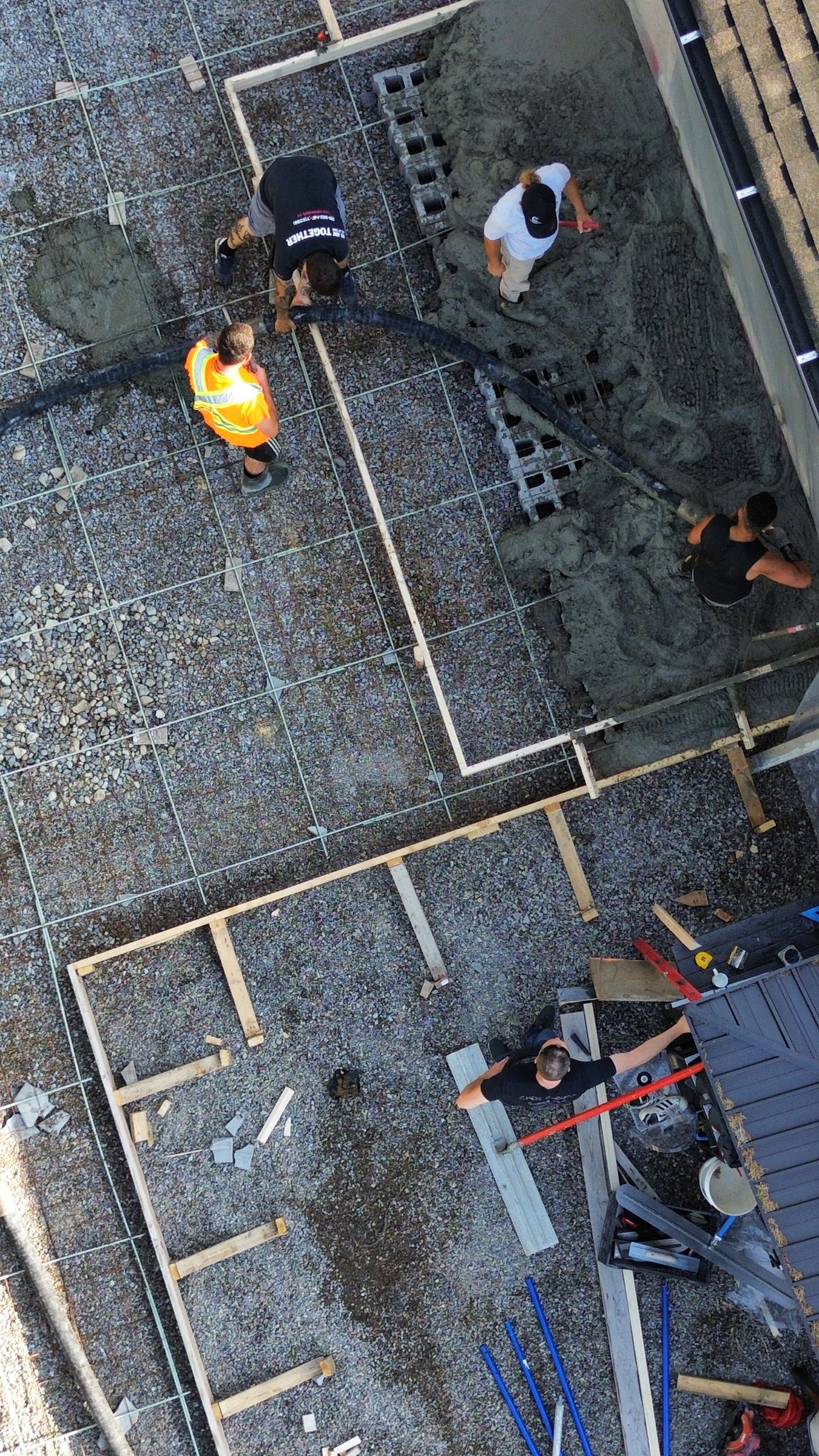
The area is excavated, a compacted granular base is built to the right depth for the traffic it will carry, and the stones are laid on a level bedding layer. Edge restraints hold the pattern in place, and joint sand locks the stones together.
Why interlock shifts, and how to prevent it
Sinking and uneven stones are almost always caused by a thin or poorly compacted base, or by missing edge restraints. Building the base like a driveway, even for foot traffic, is what keeps the surface flat for years.